
Women were often viewed primarily as caregivers and homemakers. Their main roles were believed to be taking care of the home, raising children, and supporting their husbands. Education for girls was often considered less important because it was believed that a woman’s future was mainly in marriage and family life. Some cultural beliefs placed men as the primary decision makers while women were expected to be submissive and dependent. Women had limited control over property, financial resources, and major family decisions. These beliefs shaped how girls and women were treated in homes, schools, and communities.
Despite these limitations, women played acrucial role in sustaining families and communities. They worked tirelessly in agriculture, small businesses, and household management, often without recognition or equal opportunities. This reality is one of the many reasons International Women’s Day remains relevant today. It provides a moment to recognize the dedication, strength, and resilience that women demonstrate every day.
However Over the years, Uganda has seen significant changes in the status and empowerment of women. Awareness about women’s rights and gender equality has increased.
Today, more girls are attending school than in the past, and many women are pursuing higher education and professional careers. Women now serve in leadership positions in government, business, healthcare, education, and community development. Women today are educators, health workers, entrepreneurs, leaders, and community builders. Their ability to multitask, handling family responsibilities while also pursuing careers and community leadership is something truly admirable. This ability to manage multiple responsibilities while still striving for excellence calls for recognition and celebration.
Despite this progress, many challenges remain. Some women and girls still face gender-based violence, early marriage and limited access to education. Cultural expectations in certain communities are still restricting opportunities for women and girls. Access to sexual and reproductive health services including family planning still remain an issue for women in rural areas. These challenges highlight why International Women’s Day is still important. It reminds us that while progress has been made, there is still work to be done to ensure equal opportunities for all women and girls.
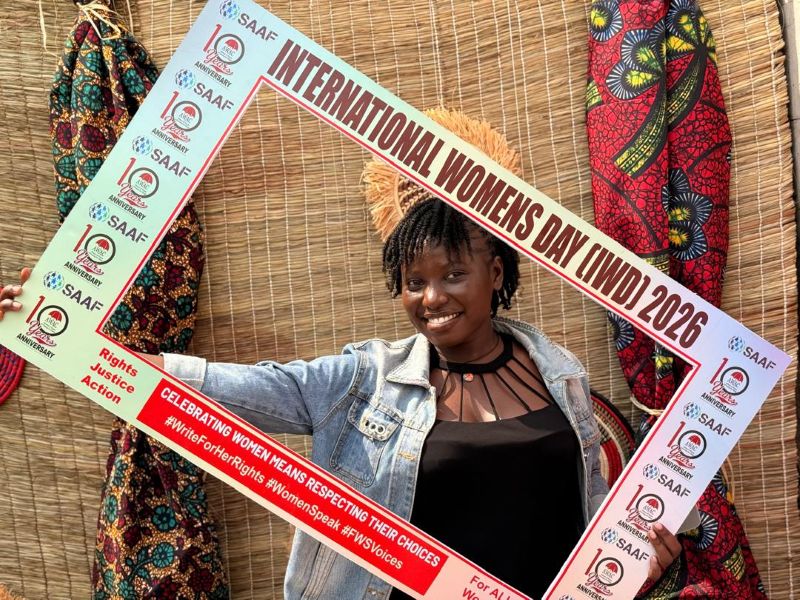
International Women’s Day is a moment to celebrate achievements while continuing to advocate for a society where women and girls are respected, supported, and given equal opportunities to thrive.
