
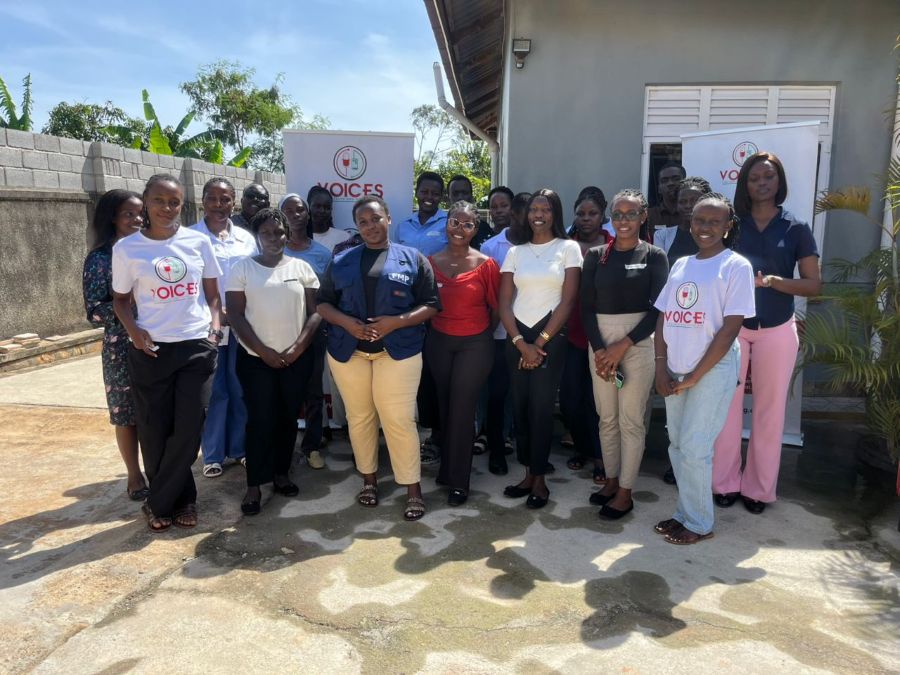
We conducted a training at the Voices offices for Campus Health Ambassadors (CHAs) and university social media influencers from Nkumba University, focusing on Sexual and Reproductive Health and Rights (SRHR). Although SRHR information is accessible, it does not always result in informed decisions. Many young people continue to encounter stigma, misinformation, and limited access to youth-friendly services.
The training enhanced participants’ knowledge in key SRHR topics, such as contraception and post-abortion care (PAC). It also explored how information is communicated among peers, emphasizing the role of trust and perception in decision-making.
A key part of the training was the Values Clarification and Attitude Change (VCAT) session. Participants reflected on their beliefs, biases, and assumptions, considering how these shape their responses to peers seeking information or support. Discussions emphasized the importance of empathy, non-judgment, and confidentiality in peer-led engagement, recognizing that accurate information must be paired with the right approach.
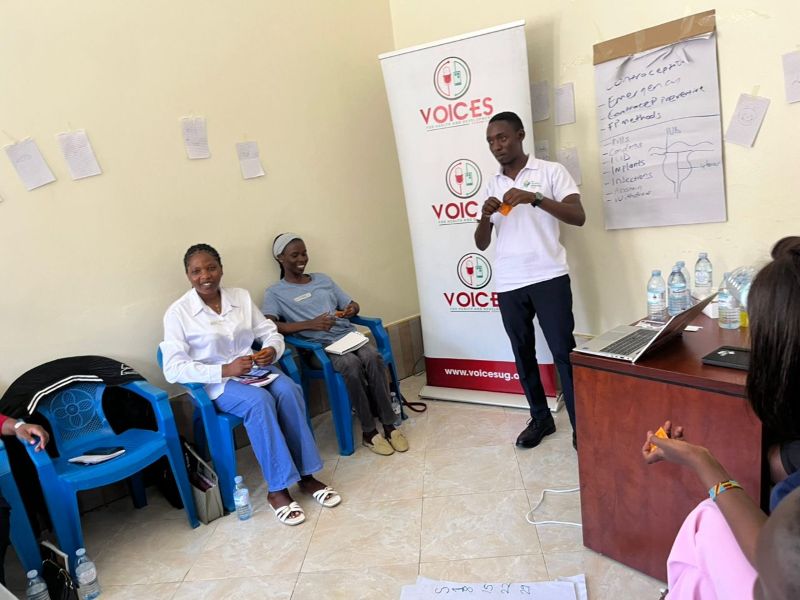
Supported by the Family Medical Point team, who facilitated sessions and shared practical insights on service access and referrals, participants gained a clearer understanding of navigating care pathways. They learned how to identify available services and guide peers to appropriate, youth-friendly support.
During the training, participants considered their role as trusted sources of information in their communities. Many described being approached by fellow students with sensitive questions, often when fear of judgment hinders open discussion or timely access to services. Lydia, one participant, summarized this experience:
“Many students have questions, but don’t know where to go because they fear being judged. With the knowledge I’ve gained, I feel more confident to guide them and connect them to the right services.”
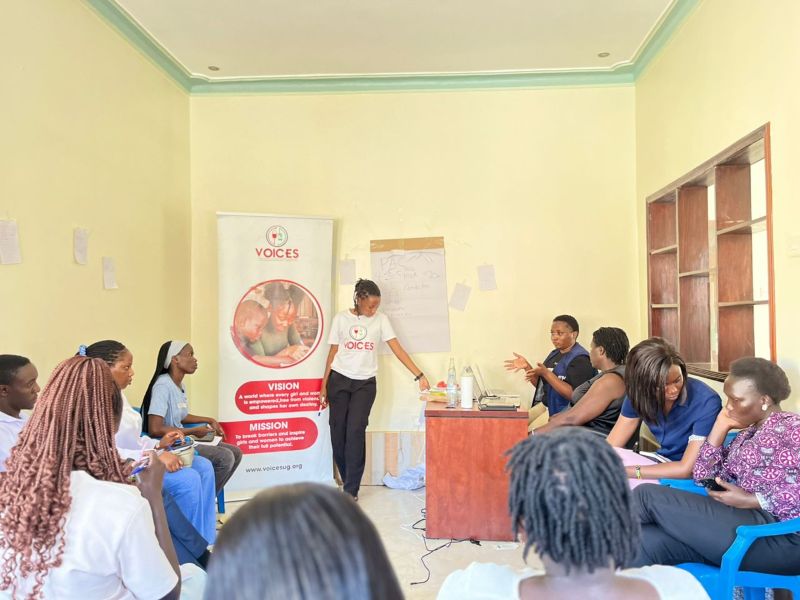
As Campus Health Ambassadors and social media influencers, these young leaders are well-positioned to shape how SRHR information is shared and understood, both through daily peer interactions and on digital platforms where many of these conversations occur.
Equipping these leaders with accurate information, practical guidance, and reflective engagement is essential to improving how young people access and use SRHR information, and ultimately, how they make decisions about their health.
