
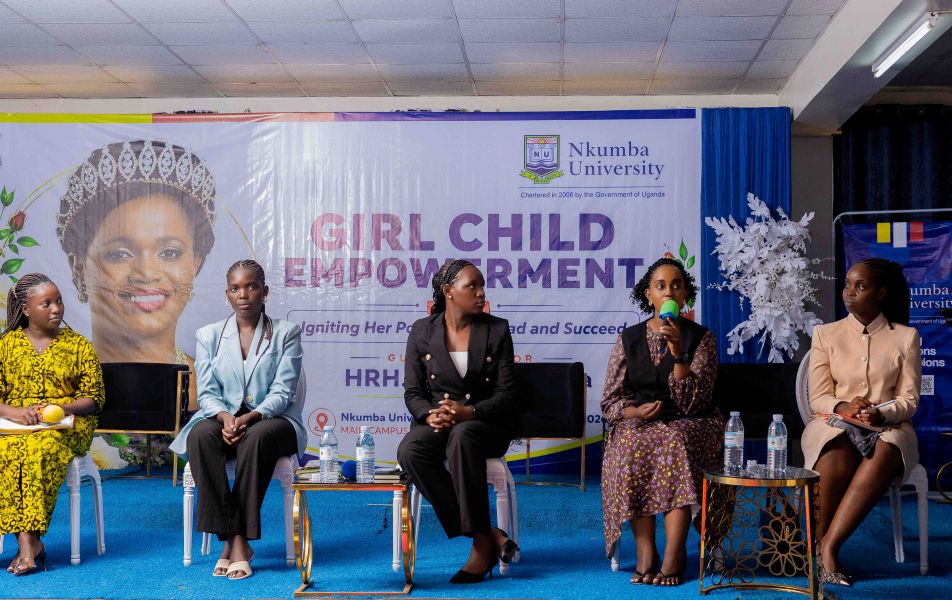
When we talk about Sexual Reproductive Health and Rights (SRHR), it is easy to speak about young people as though they all experience the same realities. But they don’t. A university student living in Kampala may have access to information, health facilities, and reproductive health services within a few kilometres, while another young person in a rural community may have to travel long distances to access the exact same services. A young woman with limited income may know precisely which contraceptive method she wants but struggle to afford it, and a young person with a disability may want these essential services only to encounter a health facility that is physically inaccessible or a provider who wrongly assumes they are not sexually active. These starkly different experiences remind us of a fundamental truth: sexual and reproductive health and rights do not happen in isolation.
To understand the bigger picture, we have to look at intersectionality, which is simply about recognizing how different aspects of a person’s life overlap and shape their day-to-day experiences. Age, gender, disability, income, education, location, and social status interact to create vastly different opportunities and barriers when trying to access information and healthcare. Being a young person already comes with formidable challenges when seeking these services, including the paralyzing fear of judgment or a complete lack of confidentiality. But when that young person is also living with a disability, has limited financial resources, or lives miles away from the nearest health facility, those barriers multiply exponentially. This is precisely why treating everyone the same does not automatically create equal access; true equity means recognizing that people need different kinds of targeted support to enjoy the exact same rights.
This intersectional approach forces us to confront uncomfortable questions that are too often overlooked. Who is missing out on the information we are sharing? Who cannot afford the services we are promoting? Who feels unsafe or judged the moment they walk through the doors of a health facility? Whose lived experiences are entirely missing from our conversations? And ultimately, who is making the decisions about the services young people actually need? These questions matter because access is never simply about whether a service exists on paper. It is about whether people can physically reach it, pay for it, understand it, and feel safe enough to use it without fear. For young people, stigma and judgment remain massive roadblocks, whether someone avoids contraception out of fear of being labeled, remains silent about safe abortion due to misinformation, or faces compounding hurdles when trying to survive sexual and gender-based violence.
These realities demand far more than just handing out brochures or providing basic information; they require us to deeply understand the intersecting circumstances that dictate people’s choices. Making programs truly inclusive means designing interventions with real human realities front and center, ensuring that services are youth-friendly, confidential, and respectful, that people with disabilities are never excluded, and that geographical and financial hurdles are actively dismantled. Most importantly, it means actually listening to the people we seek to serve. Young people must never be treated as passive beneficiaries of programs designed behind closed doors; their voices, experiences, and perspectives must actively shape the services meant for them. Every single person carries a unique combination of circumstances that influences how they navigate their health, and acknowledging this turns intersectionality from a theoretical concept into a practical mirror, asking us honestly whether our work is truly reaching everyone. Because advancing sexual and reproductive health and rights is never just about opening a door, it is about making damn sure everyone can get through it.
