
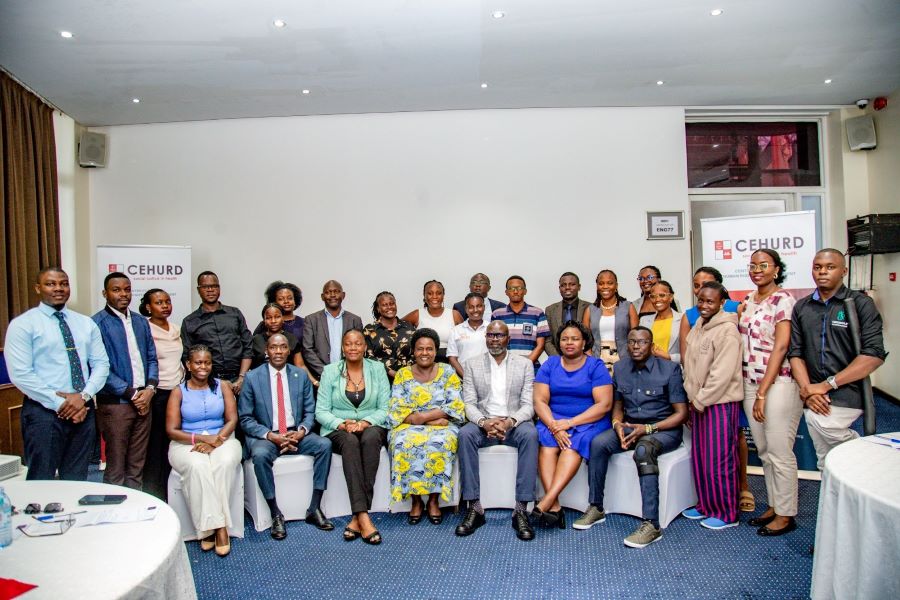
Voices participated in a partners’ engagement meeting with Members of the East African Legislative Assembly (EALA), convened by Cehurd Uganda and the East African Youth Network, to raise awareness and discuss strategies for implementing the EAC Youth Policy and its Sexual and Reproductive Health and Rights (SRHR) commitments across the region.
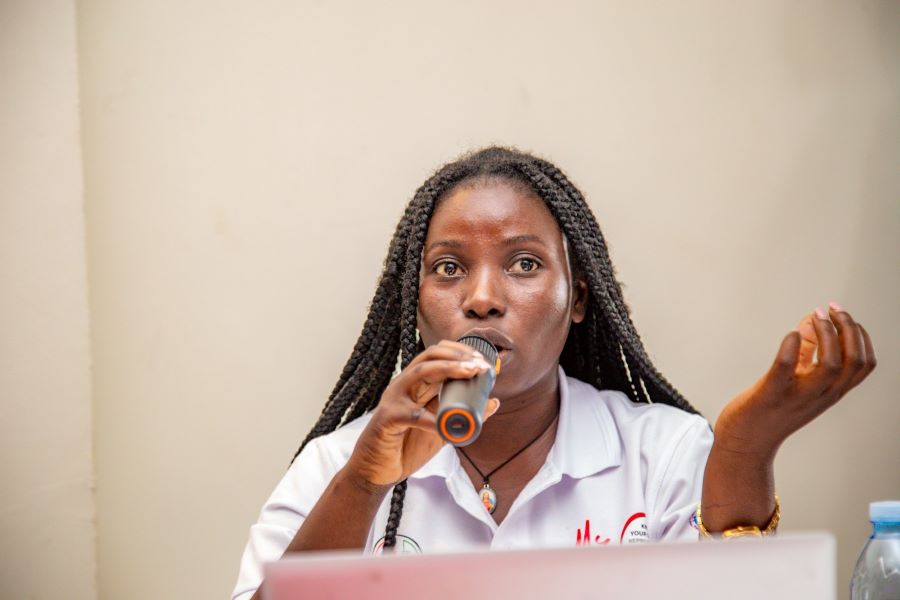
The engagement brought together Ugandan civil society organizations, youth advocates, legislators, and government representatives to strengthen collaboration and advance youth-centered policies that protect and empower young people throughout the East African Community.
Discussions focused on the importance of coordinated action in ensuring that young people across the region have access to quality education, health services, protection, and opportunities to meaningfully participate in development processes. The EAC Youth Policy (2025) recognizes young people as key drivers of sustainable development, regional integration, innovation, and social transformation.
Speaking during the engagement, Amongin Jacqueline emphasized the responsibility of leaders and stakeholders in ensuring implementation of the policy and its commitments.
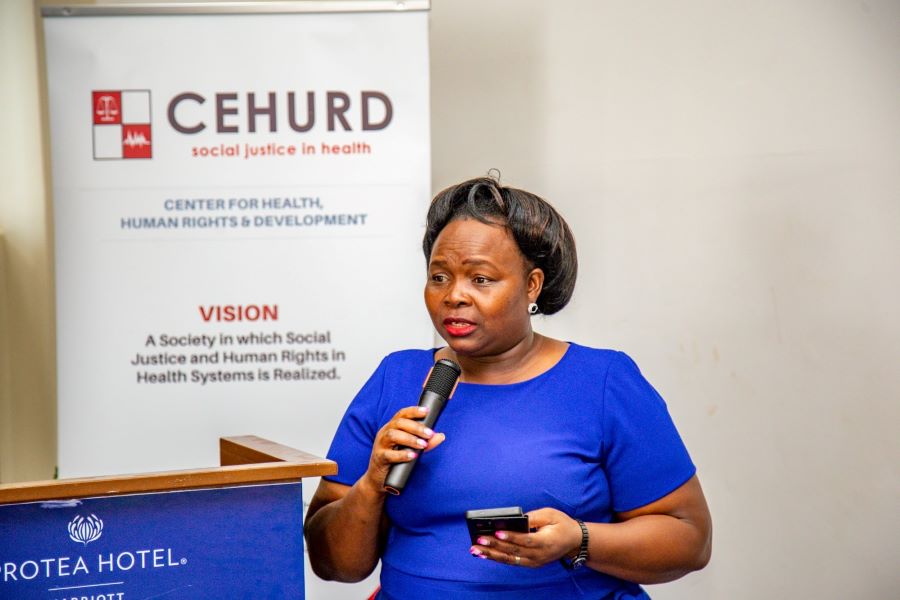
“It is our role as legislators to ensure that this policy is implemented, as it protects young people from many challenges they may face while growing up. It is therefore important that all stakeholders come together to implement these commitments in our respective countries.”
She further stressed the importance of addressing misconceptions around Sexual and Reproductive Health and Rights.
“SRHR is not about promoting immorality; it is about saving lives. It is about a young person knowing his or her HIV status and getting support. It is about survivors of gender-based violence receiving the care and support they need. We must move from talking to implementation.”
The meeting also highlighted the critical role education plays in protecting young people. Mr. Ssemakula, a representative from Uganda’s Ministry of Education and Sports, noted that keeping children in school helps reduce early sexual debut and teenage pregnancies.
“When our children are in school, there is a safety net that protects them from early sexual debut and teenage pregnancies. Parents, leaders, and communities must work hand in hand to protect girls and support young people to stay in school.”
Participants reflected on key priority areas within the EAC Youth Policy, including youth health and well-being, education and skills development, civic participation, social inclusion, and digital transformation. The policy also prioritizes youth-responsive health services, mental health support, HIV prevention, and comprehensive sexuality education as part of strengthening youth health and protection across the region.
During the engagement, EALA MPs reaffirmed their commitment to working closely with civil society organizations through platforms such as the EALA Women’s Caucus and the Youth Parliamentary Forum to ensure effective implementation of Youth SRHR commitments across the EAC region despite differing domestic policies and social perspectives.
The EAC Youth Policy (2025) calls for coordinated action among governments, civil society, development partners, and young people themselves to create an enabling environment where every young East African can realize their full potential and contribute meaningfully to society.
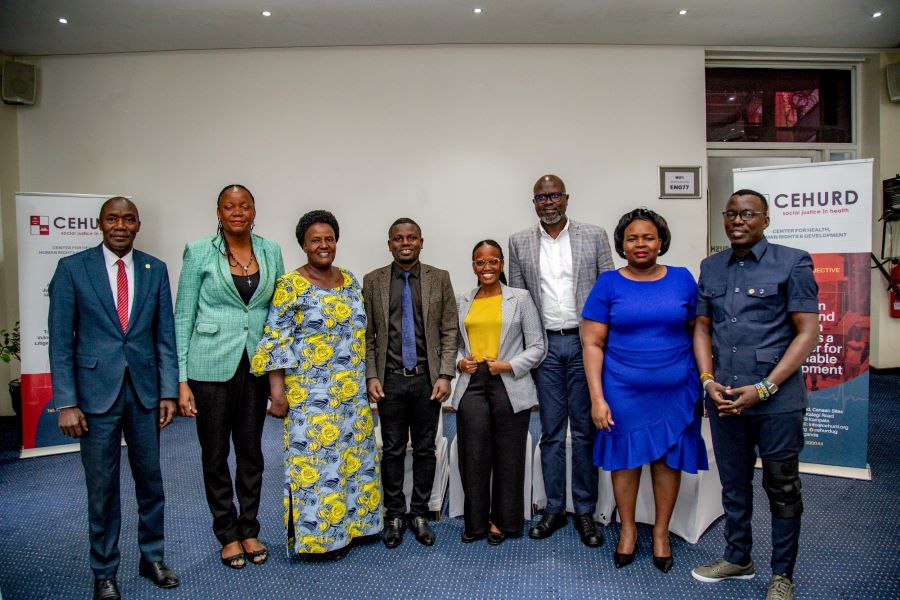
Voices appreciates the continued collaboration among regional stakeholders in advancing policies and commitments that safeguard the health, rights, dignity, and future of young people across East Africa.
