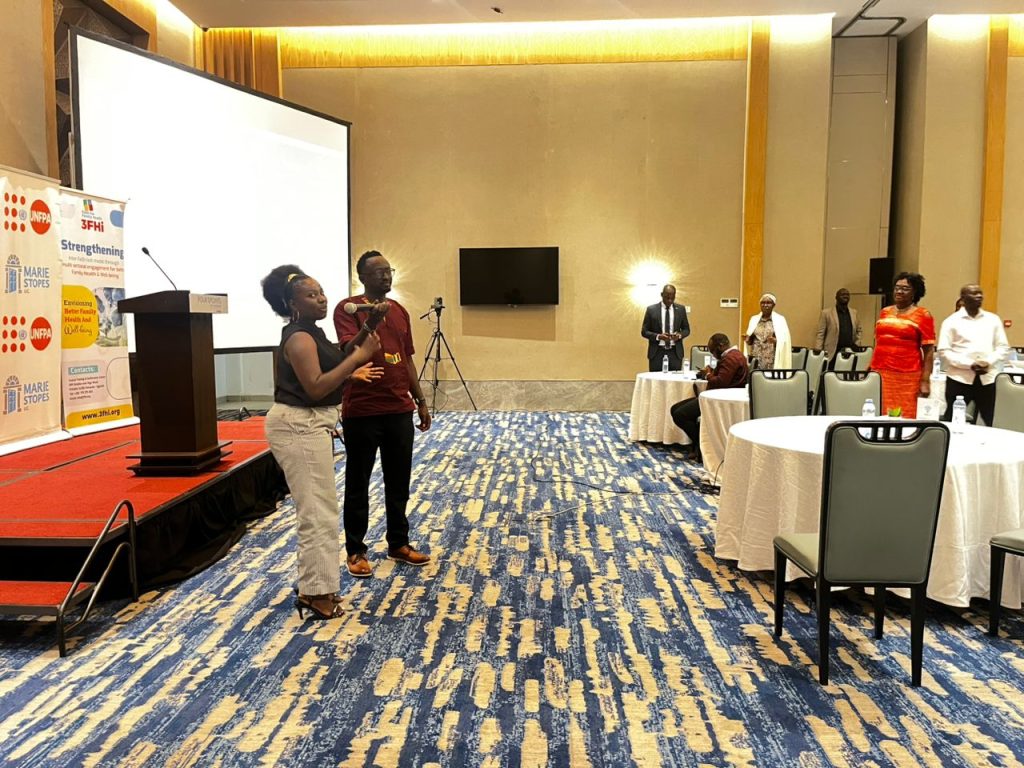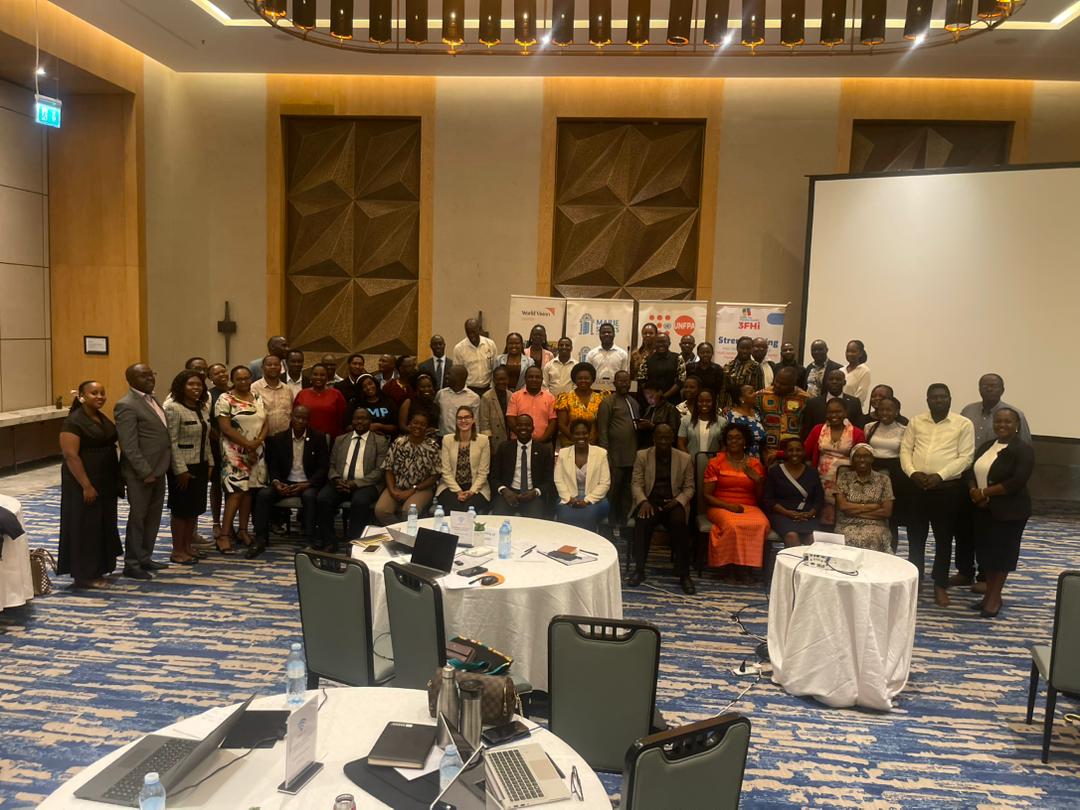
On April 2nd, 2026, the Uganda RMNCAH+N and Health Ageing Civil Society Platform convened its Annual General Meeting (AGM) at Four Points by Sheraton Kampala, bringing together civil society, government, and development partners to reflect on progress and align priorities for the year ahead.
Participants included representatives from the Ministry of Health Uganda, United Nations Population Fund (UNFPA), World Health Organization (WHO), the World Bank, World Vision Uganda, and the Embassy of Sweden, alongside a broad network of civil society organizations working across the RMNCAH+N spectrum.
In her remarks, Platform Chairperson Jackie Katana reflected on the evolving role of the Platform, noting that beyond convening stakeholders, it has become an important space for accountability and collective responsibility. She emphasized that progress in health outcomes will depend on how well actors listen to communities, respond to their realities, and work together to close persistent gaps.
Dr. Richard Mugahi, Commissioner for Reproductive and Child Health at the Ministry of Health, spoke to the importance of partnership in translating policy into impact. He pointed to the need for stronger alignment between civil society efforts and national priorities, particularly at the sub-national level, where disparities in access to and quality of care remain evident. His remarks underscored a shared recognition that improving health outcomes requires both coordinated planning and consistent implementation.
From a development partner perspective, the discussions reinforced the urgency of sustaining investments while sharpening focus on equity. Representing UNFPA, Juliana Lunguzi highlighted the importance of ensuring that services reach those who need them most, particularly women, adolescents, and young people who continue to face barriers in accessing care. She emphasized that meaningful progress will depend on keeping communities at the center of programming and decision-making.
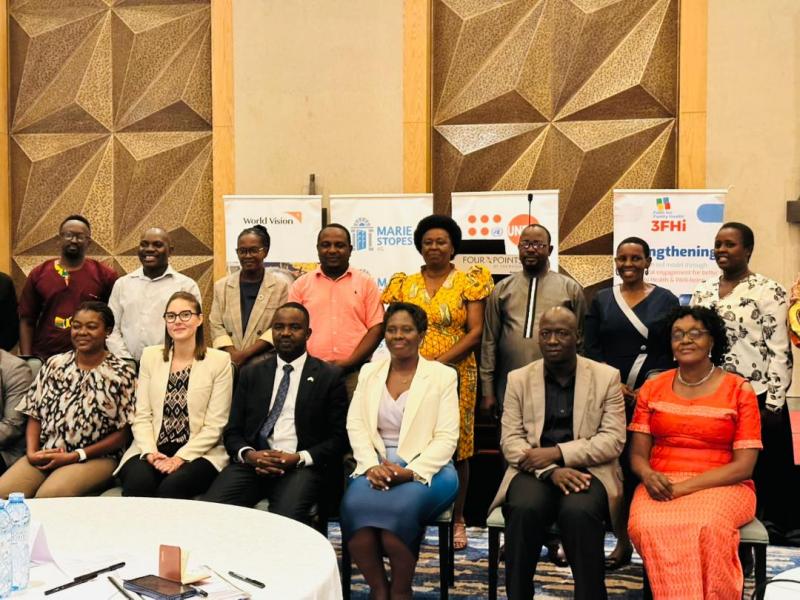
Kira Koch, representing WHO, drew attention to the importance of quality and data in strengthening health systems. She noted that expanding access alone is not sufficient without ensuring that services are safe, effective, and responsive, and that data must be better utilized to guide decisions and improve accountability across the system.
Across the discussions, a consistent theme emerged: while progress has been made, significant gaps remain. Participants pointed to ongoing inequities in access to services, financing constraints, especially at the community level, and the need to strengthen data systems and accountability mechanisms. Thematic engagements across key health areas further highlighted the importance of integrated approaches that respond to the full continuum of care.
A major milestone of the meeting was the election and transition of new platform leadership, reinforcing the Platform’s commitment to strong coordination and stewardship of the Platform’s agenda.
As Voices, the discussions pointed to a clear need to move beyond dialogue into more coordinated action, particularly in strengthening accountability, improving data use, and ensuring that services reach those most often left out. There is a growing expectation for civil society, government, and partners to work more deliberately together, especially at the community level, where gaps remain most visible.