
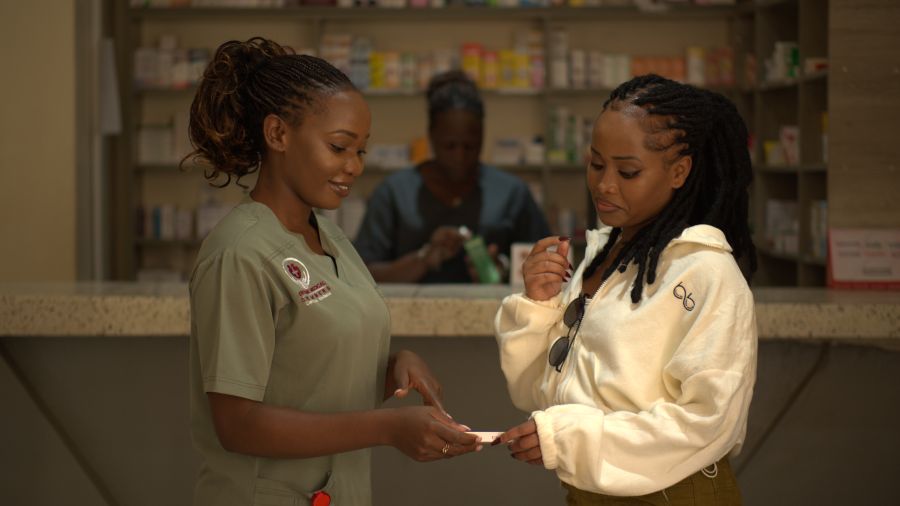
It was during a one-on-one conversation with our project nurse that Esther said something that was both humorous and deeply concerning.
“To buy an emergency contraceptive pill from a pharmacy? I’d rather give birth,” she said, before bursting into laughter.
At first, the comment sounded like something to laugh about but behind her laughter, however, was a reality that many young people face. Esther explained that she feared walking into a pharmacy because the pharmacist would judge her for having had sex and worse, unprotected sex. The fear of being judged felt greater than the fear of an unintended pregnancy.
Her story reflects a challenge that continues to affect many young people. Although sexual and reproductive health services exist, stigma often prevents those who need them most from accessing them. Many young people view these services not as a source of support, but as spaces where they may be criticized, misunderstood, or shamed.
This highlights an important gap that still exists within our health system. Access is not only about having services available; it is also about ensuring young people feel safe, respected, and comfortable seeking them. As health professionals and advocates, we have a responsibility to create welcoming spaces where young people can ask questions, seek care, and speak openly without fear of judgment.
When young people receive accurate, age-appropriate information in friendly and informal settings, they become more confident in making informed decisions about their health. They begin to understand that seeking contraception, STI testing, or other reproductive health services is not something to be ashamed of. Instead, it is an act of self-care and a sign of taking responsibility for their health and future.
At Voices for Health and Development, we believe every young person deserves access to safe spaces, trusted information, and compassionate healthcare providers. Esther’s story reminds us that when young people know they will be treated with dignity and respect, they are empowered to take charge of their sexual and reproductive health without fear of stigma or judgment. Sometimes, all it takes is one supportive conversation to replace fear with confidence and that confidence can change a life.
