
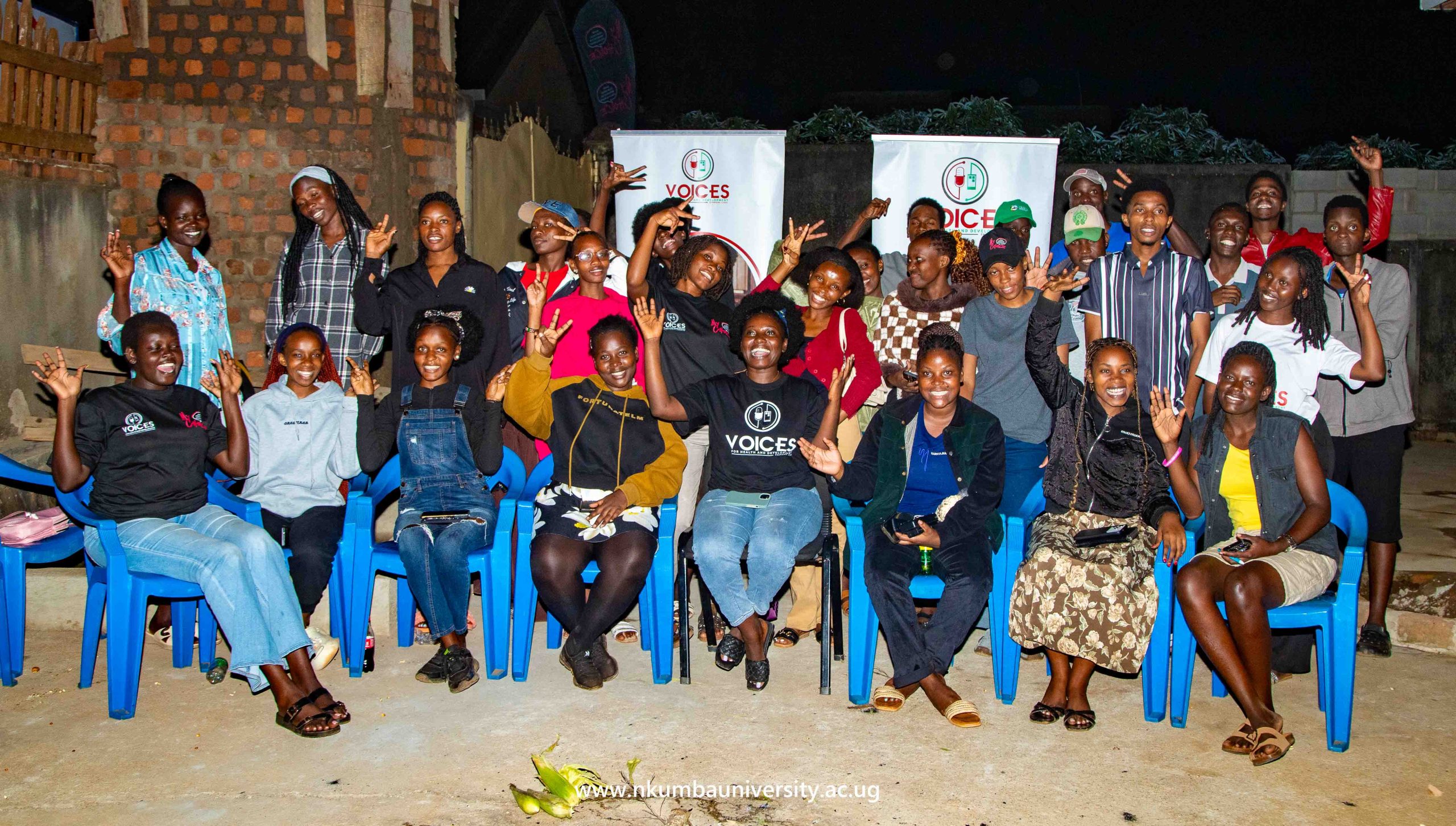
On the evening of 25th September 2026, a bonfire at the Voices for Health and Development (Voices) office became a space for remembrance, reflection, and honest conversation as Voices commemorated International Safe Abortion Day under this year’s global theme: “Solidarity in Action: Advance Reproductive Justice and Urgently Strengthen Health Systems for Comprehensive Abortion Care!”
Under this banner, the discussions confronted a devastating reality: Globally, the World Health Organization (WHO) estimates that 45% of abortions are unsafe, with almost all unsafe abortions occurring in developing countries. WHO further estimates that between 4.7% and 13.2% of maternal deaths globally are attributable to unsafe abortion. Unsafe abortion remains an urgent, entirely preventable driver of maternal morbidity and mortality.
Thirty students joined the Voices team around the fire, creating an intimate space to talk about a crisis that claims too many lives and shatters too many futures. The conversation quickly moved past cold figures to confront the real lives behind them. Participants shared harrowing personal accounts of the girls and young women they know, friends and peers whose lives were cut short.
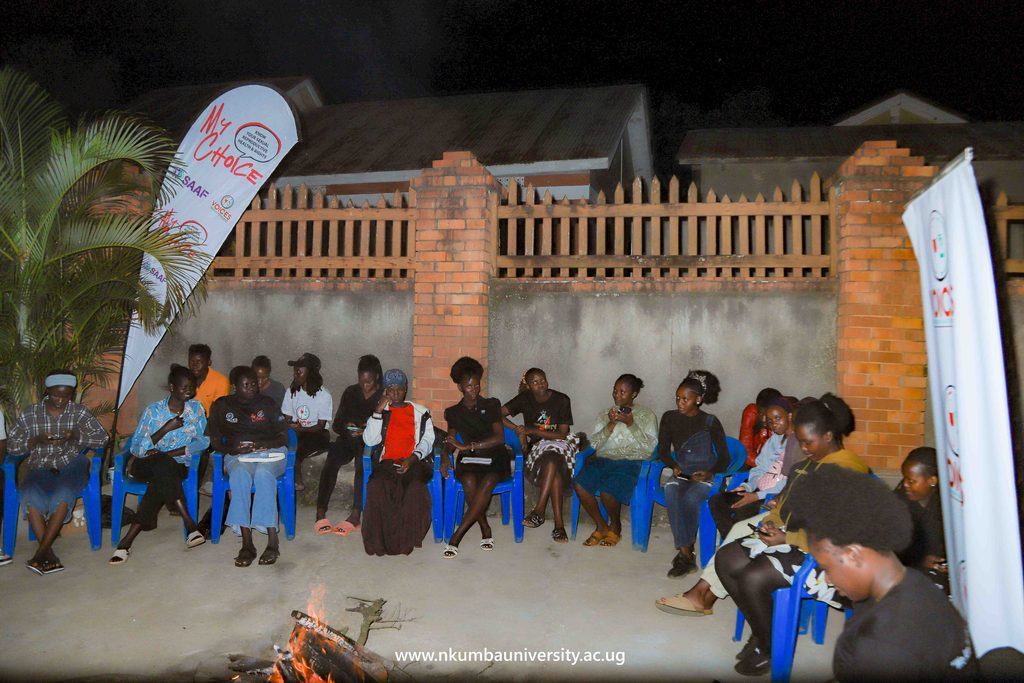
One student shared the terrifying story of a close friend who resorted to traditional herbs to terminate an unintended pregnancy, an unsafe method that nearly cost her life. Others spoke of peers who survived, but only after enduring severe complications and grueling medical treatments. These are not isolated tragedies; they are the direct result of a system that fails to protect young people.
For many young people, an unintended pregnancy is an overwhelming crisis. When reliable information and supportive services are locked behind walls of misinformation, stigma, and fear of judgment, desperate choices are made. Participants emphasized how misinformation, stigma, and uncertainty about where to seek safe support drive young people into dangerous situations. Knowing someone needs help is never enough, young people must have direct access to confidential, respectful, and youth-friendly services. Stigma remains a powerful weapon of exclusion, making people terrified to ask questions or seek help when they need it most. Creating spaces where young people can speak openly without fear of being shamed is fundamental to preventing harm.
The consequences of this crisis extend far beyond individual trauma, bearing down heavily on already constrained health systems and families. Available research estimates that treating complications associated with unsafe abortion costs the health system in Uganda approximately US$14 million annually. Beyond the direct financial drain on public resources, the true cost is borne by women, families, and communities through preventable illness, lifelong disability, lost productivity, catastrophic household expenditures, and the ultimate tragedy of lost life.
The bonfire was not only about mourning those we have lost; it was a demand for accountability and systemic change. Every single life lost to an unsafe abortion represents a failure of access, a missed opportunity for accurate information, timely support, and dignified care.
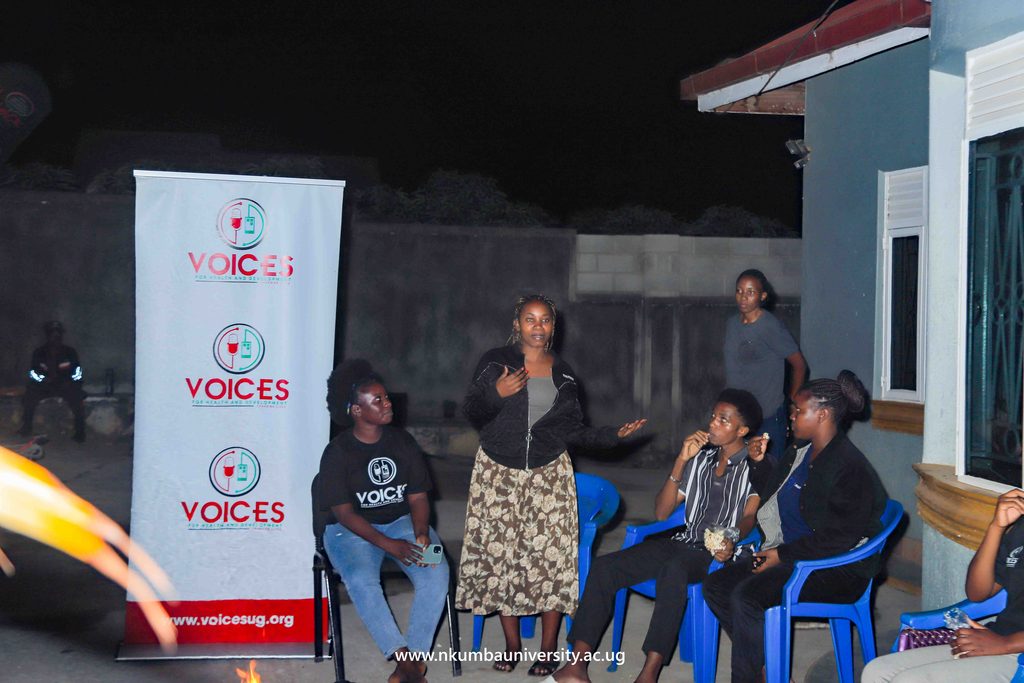
In response to these realities, Voices echoes the global call for stronger health systems, greater legal and policy clarity, and timely, quality, and dignified reproductive healthcare for women and girls. Preventing further loss requires uncompromising investment in dismantling harmful myths, equipping young people with clear reproductive health education, and cultivating communities where young people are not left to navigate difficult situations alone.
The evening encouraged participants to think about their own role in supporting their peers, from sharing accurate information to guiding someone toward appropriate, confidential support. As the fire burned low, it served as an unyielding reminder that remembrance must lead to action. Through this engagement, Voices reaffirms its commitment to creating spaces where young people can have open and informed conversations about sexual and reproductive health, and to fighting until no one is left without the information and support they deserve.
