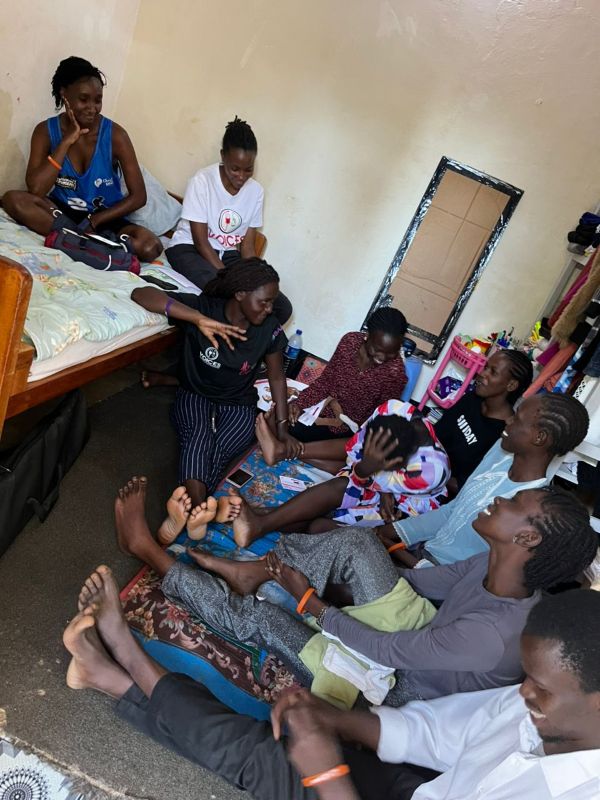
As evening falls around Nkumba University, hostel and hall corridors slowly come alive with conversation. Laughter echoes in the background as some students sit in small groups outside their rooms, others scroll through trending TikTok videos on their phones, while a few excitedly perform TikTok challenges, unwinding after a long day of lectures.
It is within these ordinary and familiar spaces that some of the most important conversations are quietly taking place.
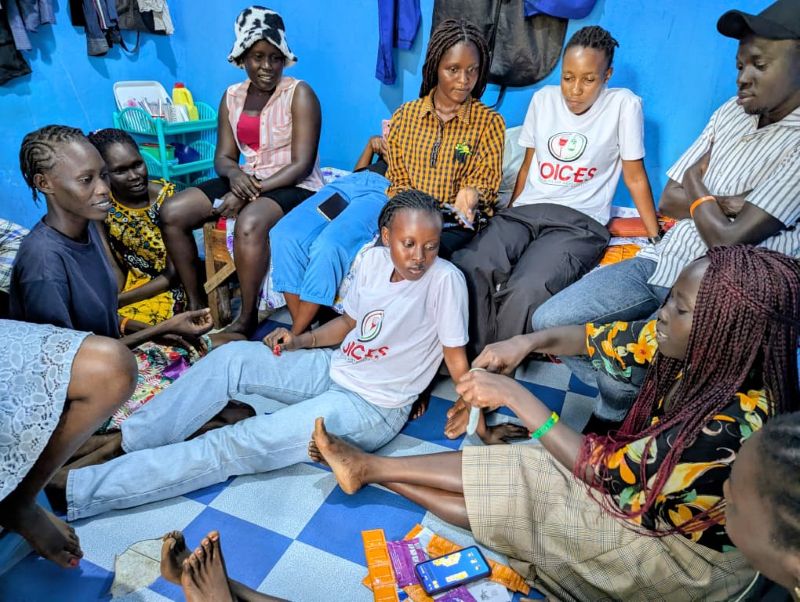
Through the My Choice Campaign, Voices for Health and Development is reaching young people differently by meeting them in spaces where they already feel safe, free, and most like themselves, creating room for honest conversations about their lives, choices, and reproductive health.
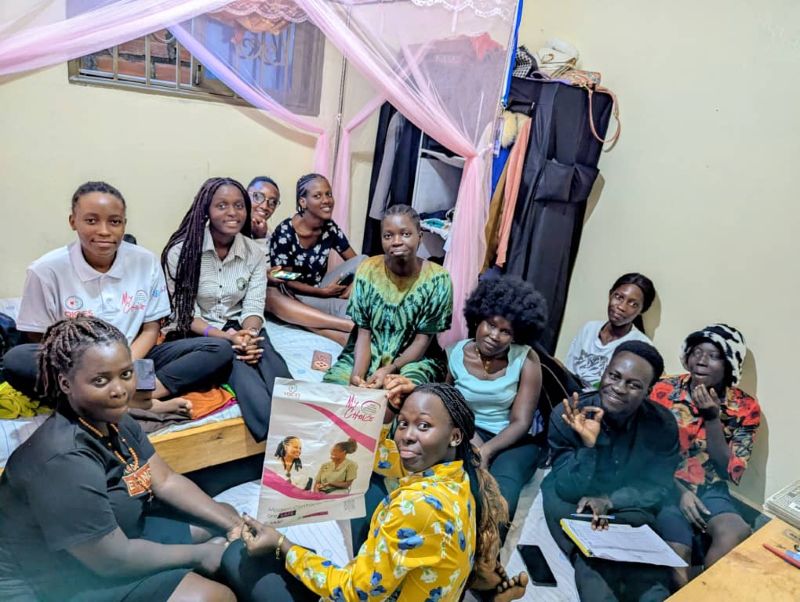
Inside hostels, halls of residence, and quiet corners around Nkumba University campus, female students gather for what has become known as Info Cafes; safe, open spaces where young people can freely talk about Sexual and Reproductive Health and Rights (SRHR) without shame, fear, or judgment. And what makes these sessions even more powerful is that the students themselves ask for them. They invite the Voices team into their spaces. They mobilise their friends. They create room for conversations that many have silently carried within themselves for years.
At first, the discussions usually begin quietly. A few shy smiles. Nervous laughter. Students unsure whether they should really ask the questions they have always wanted answered.
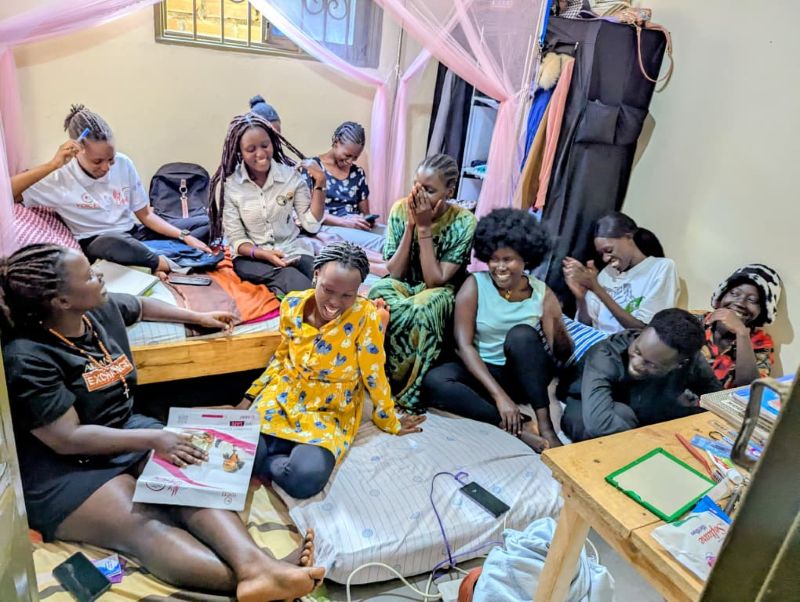
But slowly, the room softens. Someone asks about contraceptives. Another opens up about relationships. Someone else speaks about consent, bodily autonomy, post-abortion care, or the pressure young people face when trying to make decisions about their own bodies.
Then the conversation begins to flow.
What follows is often hours of learning, sharing, laughing, questioning, and unlearning harmful myths that many students grew up believing. Some are shocked by how much misinformation they had been carrying for years. Others quietly admit they wish they had received this information much earlier in life.
And many times, even when the sessions are supposed to end, students do not want the Voices team to leave. They continue asking questions. They continue listening. Because for many of them, this is the first time they are having conversations about their reproductive health in a space that feels safe, free, and honest.
Recently, female students have also begun inviting male students into these conversations, fostering greater openness and understanding among peers. Together, they discuss not only health services, but also respect, responsibility, care, and the importance of making informed choices.
Alongside these conversations, students are also connected to nearby youth-friendly health facilities and trusted healthcare providers that Voices partners with to ensure access to quality SRHR services.
For Olive, one of the Campus Health Ambassadors (CHAs), these conversations have become deeply personal. While hosting an Info Café at Salima Hostel, she shared how being a CHA has changed the way fellow students relate with her.
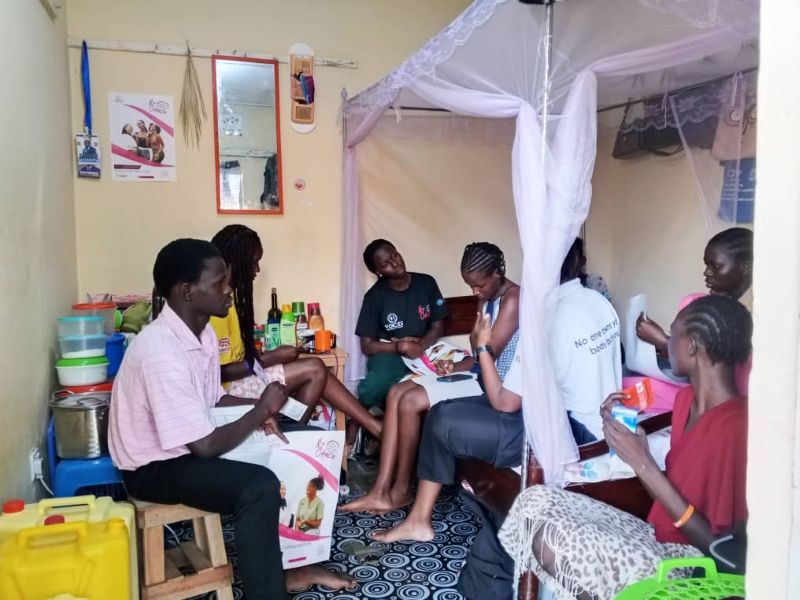
“Because my peers know I am a CHA, they reach out to me with many questions about contraceptives and post-abortion care. Hosting the Voices nurses at my hostel gave my friends a chance to learn openly, ask questions freely, and understand SRHR issues better, especially post-abortion care and contraceptives.”
Campus Health Ambassadors are students trained and empowered by Voices with knowledge and skills on Sexual and Reproductive Health and Rights. But beyond the training, they become trusted peer supporters within the university community. They listen. They guide. They refer fellow students for services. Sometimes, they even walk with them through difficult moments, checking in on them long after they have received care.
And perhaps that is what makes the My Choice Campaign truly impactful. It is not only about sharing information. It is creating spaces where young people feel seen, heard, supported, and empowered to make choices about their lives and bodies with dignity and confidence.
And in those small circles of conversation across campus, something powerful is happening: young people are gaining the knowledge, confidence, and support they need to make informed decisions about their sexual and reproductive health and rights, while also knowing where and how to access safe, youth-friendly services whenever they need them.