
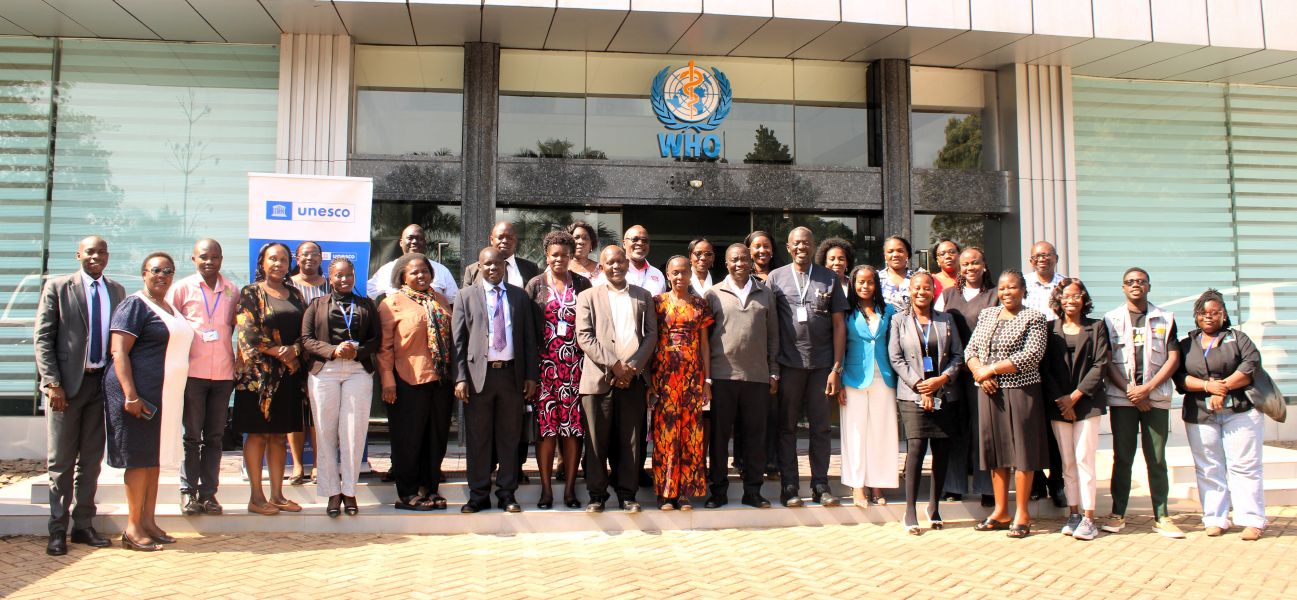
Reflecting its steadfast commitment to the well-being of young people, Voices for Health and Development proudly joined key government ministries, development partners, civil society organizations, and academic leaders at the National Partnership and Coordination Forum on Health and Well-being Programming in Higher Institutions of Learning (HILs).
Held on September 3, 2026, at the WHO Building in Kololo, Kampala, the high-level forum convened critical stakeholders to strengthen cross-sectoral collaboration, improve resource allocation, and harmonize health and well-being interventions for learners across Uganda’s Higher and Tertiary Education Institutions (HTEIs).
Strategic Overview: The Health and Well-being Landscape in HTEIs
The half-day forum opened with a comprehensive framing of the current landscape, data trends, and emerging priorities by key sector leaders. Discussions underscored that while the number of universities and tertiary institutions in Uganda has grown, institutional support systems have not expanded proportionally.
Presentations from the Ministry of Health and public health experts highlighted that entry into higher education often places young adults into environments where they are unequipped to navigate complex psychosocial, relationship, and lifestyle demands. Persistent structural and data gaps mean that critical issues, such as Sexual and Reproductive Health and Rights (SRHR), mental health distress, gender-based violence (GBV), substance abuse, and financial vulnerabilities frequently go under-reported and under-addressed.
Multi-Sectoral Commitments and the O3 Plus Framework
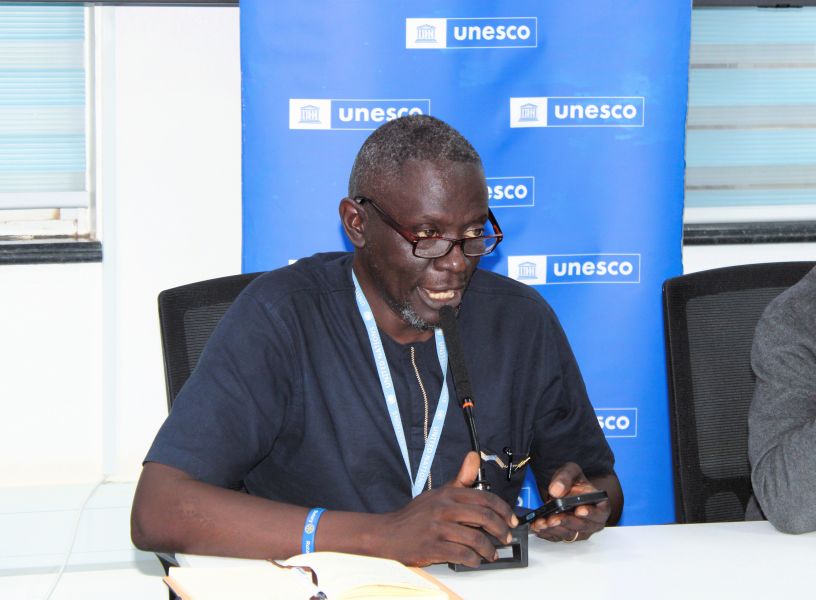
Delivering the concluding remarks and setting the strategic way forward, Mr. Timothy Ssejjoba, Commissioner of Higher Education and Training at the Ministry of Education and Sports (MoES), underscored the vital role of multilateral initiatives like the O3 Plus program in bringing focused attention to areas of student health that have historically lacked sufficient institutional integration.
Commissioner Ssejjoba emphasized several foundational principles for moving the national agenda forward:
- Overcoming Institutional Oversights: University admission does not insulate young adults from social and health vulnerabilities; higher education institutions must actively shoulder responsibility for student welfare.
- Institutionalized Baseline Data: Government and partners must establish a robust, centralized national evidence base to accurately map institutional gaps, geographic coverage, and resource allocation.
- Meaningful Youth Engagement: Youth participation must move beyond tokenism. True impact relies on meaningfully involving young people in policy formulation, program design, monitoring, and evaluation.
- Coherent Partnerships: Moving away from fragmented, disconnected projects requires building a unified national agenda supported by robust referral pathways, institutional policies, and inter-ministerial cooperation.
Amplifying Youth Voices: Voices’ Strategic Contribution
As an organisation working with young people in higher institutions of learning, Voices for Health and Development recognizes that building resilient higher education environments requires bridging critical data, policy, and service delivery gaps.
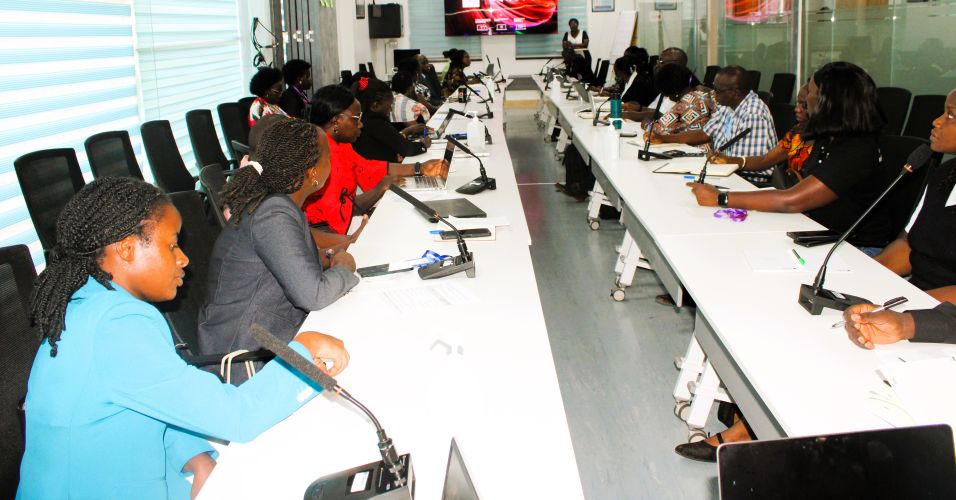
Grounded in community-led advocacy, youth-friendly campaigns, and safe spaces, Voices leverages direct student engagement to capture lived experiences and shape responsive programming. The insights gathered from the National Forum reinforce Voices’ ongoing mission to champion comprehensive SRHR education, eliminate gender-based violence, and foster mental well-being.
By aligning with the national baseline framework, expanding peer-led support systems, and fostering active collaboration between the Ministry of Education and Sports, the Ministry of Health, UNESCO, and development partners, Voices remains steadfastly dedicated to ensuring that Uganda’s higher education generation is healthy, protected, and fully equipped to achieve its full potential.
